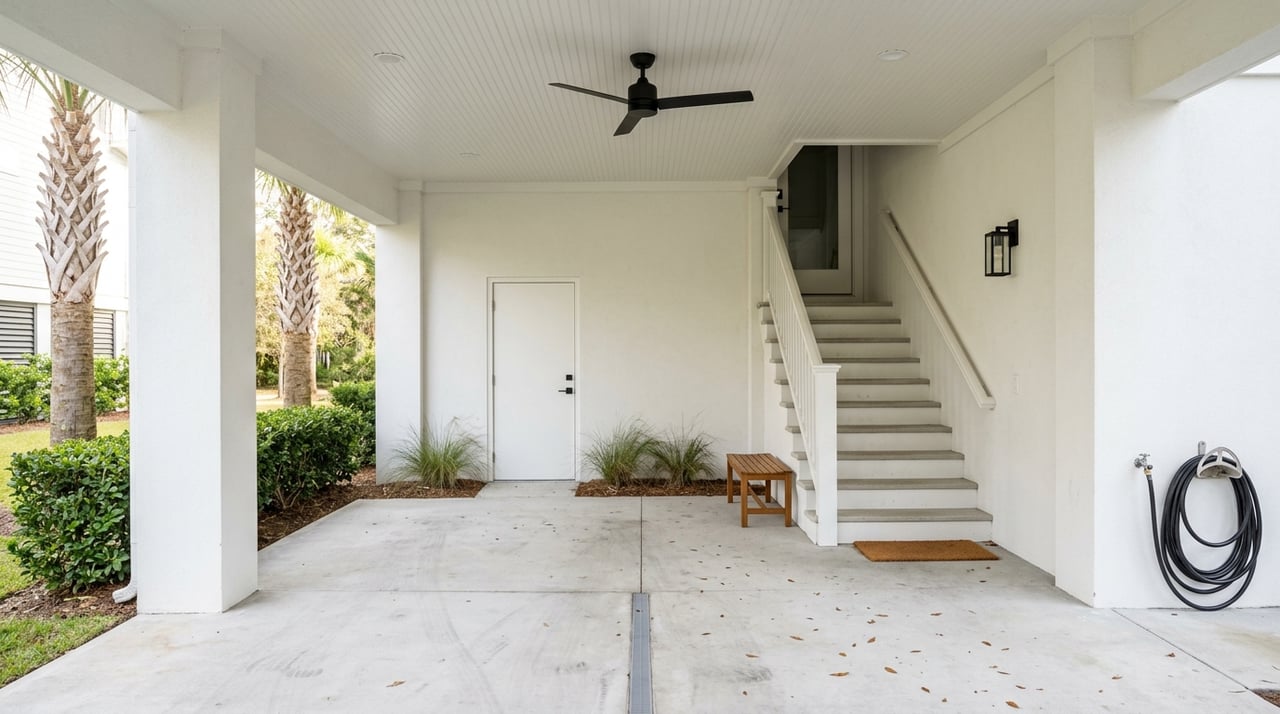
Fernandina Beach Second Home Buying: What to Consider
June 25, 2026
June 25, 2026
Dreaming about a place where weekend escapes feel easy, the beach is close, and your second home can actually fit real life? Fernandina Beach and nearby Amelia Island have that rare mix of coastal beauty, historic charm, and practical access that draws second-home buyers from across Florida and beyond. If you are thinking about buying here, the smartest move is not just finding a pretty house. It is choosing the right kind of ownership for how you plan to use it. Let’s dive in.
Fernandina Beach sits on Amelia Island, a 13-mile-long barrier island with a setting that feels tucked away without being hard to reach. The city notes that it is about 15 miles east of I-95, roughly 30 minutes from Jacksonville International Airport, and connected to the mainland by two bridges.
For many second-home buyers, that convenience matters just as much as the scenery. You want a home that feels like a getaway, but you also want it to be realistic for long weekends, seasonal stays, and visits from family and friends.
The area also offers more than one kind of coastal experience. Fernandina Beach includes a 50-block historic district with Victorian architecture and Centre Street activity, while the island also has a long stretch of beach access points and waterfront areas along the Amelia River and salt marshes.
That means two homes only minutes apart can support very different lifestyles. One may be all about walkability and local character, while another may be centered on sand, surf, and a stronger vacation feel.
Before you compare floor plans, views, or bedroom counts, think about how the home will actually function in your life. That one decision shapes everything from location to budget to maintenance.
Ask yourself a few honest questions:
Your answers help narrow the field quickly. A condo near the beach may work well for easy personal use, while an in-town home may be a better fit if you care more about daily walkability and access to downtown activity.
If you are thinking about occasional rental income, it is important to know that Fernandina Beach regulates short-term vacation rentals. The city classifies them as Resort Rentals, and a Resort Rental Dwelling Permit is required.
The city says short-term rentals are generally allowed in R-3 zoning or in R-1 and R-2 homes with grandfathered status. In other zoning districts, rentals are limited to 30 days or longer.
There are also operating requirements. Resort rentals need a 24/7 local contact, an annual life-safety inspection, and notice to the HOA or condo association within 10 days of permit issuance or renewal.
For second-home buyers, that means rental flexibility should never be assumed. If rental use matters to you, confirm early whether the property supports that plan in practice.
Some buyers purchase a second home now with the idea of moving in full time later. That can be a smart long-term plan, but it should not blur how you budget today.
Florida’s homestead exemption is for a permanent primary residence, not a vacation home. The Florida Department of Revenue says a qualifying homestead can reduce taxable value by up to $50,000, but a true second home generally should not be budgeted as if it will receive that tax treatment.
If you later make the property your primary residence, homestead timing becomes important. Eligibility is tied to the property being your permanent residence as of January 1, and the filing process runs through the county property appraiser.
A second home budget in Fernandina Beach or Amelia Island should go beyond the mortgage and down payment. Coastal ownership has a few added layers that deserve attention before you buy.
If the home will remain a second residence, expect taxes to be based on that use. Homestead benefits and Save Our Homes limits only come into play if the property qualifies as your permanent residence.
That distinction can make a meaningful difference in your annual carrying cost. It is one of the easiest planning items to overlook when a home starts to feel like a future retirement plan.
Flood risk deserves a close look in this market. Nassau County says flood hazard areas are mapped on FEMA Flood Insurance Rate Maps, and the county’s map service can be searched by address.
The county also notes that it commonly experiences river, coastal, and inland flooding. The Special Flood Hazard Area is the 1% annual-chance flood area, and coastal flooding can be driven by storm surge, tides, waves, or wind.
Florida’s Office of the Insurance Consumer Advocate says standard homeowners insurance does not cover flood damage. Flood coverage is usually a separate policy, and a lender may require it if you are financing the property.
Hurricane season is part of life in coastal Florida. Atlantic hurricane season runs from June 1 through November 30.
Florida insurance guidance also notes that windstorm and hurricane coverage can include a separate hurricane deductible. That means your insurance costs are not just about premium price. You also need to understand what your out-of-pocket exposure could look like after a storm.
Salt air, wind, and moisture can wear on a home faster than many out-of-area buyers expect. FEMA’s coastal construction guidance says coastal buildings typically need more maintenance and repairs than inland homes because of corrosion, moisture, salt spray, and wind exposure.
In practical terms, that may mean a larger reserve for exterior upkeep, more frequent inspections, and faster replacement cycles for exposed materials and systems. If you live out of town, it also means thinking through who will keep an eye on the property between visits.
One of the biggest second-home decisions here is not just which home to buy, but which version of island living fits you best. In-town, beach-close, and slightly inland options can all make sense depending on your priorities.
An in-town home is often a strong match if you want walkability, historic character, and easier access to shops, dining, and everyday errands. Fernandina Beach’s historic district spans 50 blocks and is one of the area’s defining features.
There is also an important ownership detail to understand. The city says work on properties in the historic district requires a Certificate of Appropriateness before a building permit is issued, even if the house itself is not historic.
That does not control how the property can be used. The city notes that use is tied to zoning, while the historic district affects exterior review.
Downtown parking is another practical factor. Beginning February 16, 2026, the city’s downtown paid-parking program applies, and non-city residents can buy annual vehicle permits for $124.
That is not a reason to avoid downtown. It is simply one more detail to factor into a second-home plan, especially if you want a low-hassle lock-and-leave setup.
A beach-close home is usually the best fit if you want the ocean to shape your daily routine. Fernandina Beach has multiple beach access points across the island, with a mix of parking and no-parking locations.
Some access points also include ADA-friendly access. Main Beach includes a Mobi-Mat at the boardwalk ramp and beach wheelchair options.
The lifestyle benefit is clear. You get quicker sand access and a stronger vacation atmosphere.
The tradeoff is usually higher exposure to coastal flood concerns and more maintenance pressure. That is why the lifestyle payoff should be weighed against the long-term carrying cost.
For many buyers, the sweet spot is neither fully downtown nor right by the ocean. A slightly inland location can offer easier island access with a more manageable ownership profile.
This option can work especially well if you want a second home that is easy to leave for stretches of time. You may give up immediate beach adjacency, but you can gain simplicity in day-to-day upkeep and logistics.
The best second home in Fernandina Beach is not the same for every buyer. It depends on how often you will come, how much upkeep you can handle from afar, and whether personal use or rental flexibility matters more.
A few common ownership styles can help clarify your search:
When you frame the search this way, you avoid buying a home that looks perfect online but does not work well in real life.
Second-home buying in Fernandina Beach and Amelia Island is full of small decisions that have long-term impact. Flood zones, insurance structure, rental rules, historic district review, parking details, and maintenance expectations can all shape whether a property feels easy or frustrating after closing.
That is where local guidance becomes valuable. You do not just need someone to open doors. You need someone who can help you compare tradeoffs, move quickly when the right property appears, and keep the search tied to how you actually plan to live.
If you are exploring a second home in Fernandina Beach or nearby Amelia Island, Craig Brewis can help you sort through the real-world details and find a property that fits your goals.
Stay up to date on the latest real estate trends.
Real estate here is more than just a transaction—it’s about finding your place in a close-knit community. I provide guidance rooted in local knowledge, helping you navigate each step with clarity, care, and confidence.
Craig Brewis
203 CENTRE ST FERNANDINA BEACH FL 32034