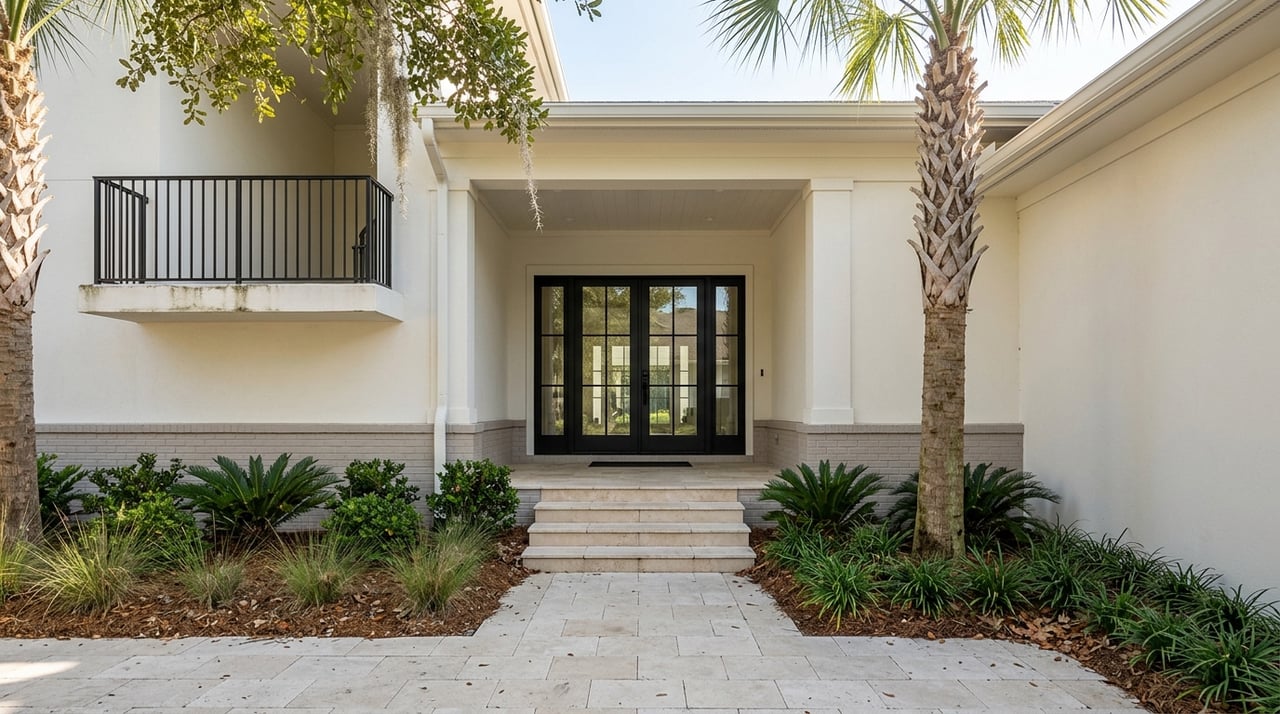
Condos Versus Homes On Amelia Island: How To Decide
May 21, 2026
May 21, 2026
Trying to choose between a condo and a house on Amelia Island? You are not alone. For many buyers here, the real question is not which property type looks better on paper, but which one fits the way you actually want to live, travel, maintain, and use your property. If you want to make a smart decision with fewer surprises, this guide will help you compare the tradeoffs that matter most on Amelia Island. Let’s dive in.
Amelia Island is a barrier island with a very specific lifestyle and ownership picture. It is about 13 miles long and 2 miles wide, with historic downtown Fernandina Beach at the center, 13 miles of beaches, and a downtown area known for roughly 50 walkable blocks.
That setting can make a condo especially appealing if you want easy access to the beach, downtown, or a more lock-and-leave lifestyle. At the same time, a detached home may be a better fit if you want more space, privacy, and control over how you use the property.
Another local factor matters too. Amelia Island is split between the City of Fernandina Beach and unincorporated Nassau County, so zoning, rental rules, and flood-related considerations can vary by address. That means your decision should be based on the exact property, not just the label on the listing.
For many buyers, the biggest benefit of a condo is convenience. Under Florida condominium law, the association is responsible for operating the condominium and maintaining the common elements, and common expenses can include maintenance, repair, replacement, protection, and insurance-related costs.
In practical terms, that usually means less day-to-day exterior upkeep for you. If you want a seasonal property, a second home, or a lower-maintenance base near the coast, that can be a major advantage.
Condos can also line up well with Amelia Island’s beach-and-downtown lifestyle. Public beach access points like Main Beach Park and Seaside Park, along with walkable areas near downtown Fernandina Beach, help explain why many buyers like the idea of a simpler property they can enjoy without a lot of yard work or outside maintenance.
Low maintenance does not mean no responsibility. Florida law requires condo associations to maintain property insurance, but many interior items and personal property are still the unit owner’s responsibility.
You also need to look closely at the association’s financial and physical condition. For certain condo buildings, reserve studies and milestone inspections are now major due-diligence items, especially in buildings that are three stories or higher and fall under current Florida requirements.
Before you treat a condo as the easy option, ask for key records such as:
A single-family home usually gives you more privacy, more outdoor space, and more freedom to manage the property your way. If you plan to live on Amelia Island full time or you simply want autonomy, that can be a strong reason to lean toward a house.
You may also prefer a home if you want more flexibility in how the property feels and functions day to day. A yard, more storage, room for hobbies, or space between you and neighbors can matter a lot, especially for long-term living.
But more control comes with more responsibility. On Amelia Island, that can include exterior maintenance, storm preparation, and ongoing upkeep that would often be handled by an association in a condo setting.
Because Amelia Island is a coastal barrier island, ownership is tied to real environmental factors. Nassau County’s mitigation planning notes that the most vulnerable sea-level-rise areas are on Amelia Island, that flooding can make roads impassable, and that the island is connected to the mainland by two bridges.
That does not mean a home is the wrong choice. It means you should go in with clear eyes about maintenance, insurance, flood exposure, and storm readiness.
For many full-time residents, that tradeoff is worth it because they value privacy and independence. For some second-home buyers, it may feel like more hands-on ownership than they want.
On Amelia Island, this decision often comes down to one simple comparison: convenience versus control. A condo tends to lean toward convenience, while a detached home tends to lean toward control.
If you want to come and go with less routine maintenance, a condo may fit better. If you want room to spread out and fewer shared rules, a house may be the better match.
Neither option is automatically better. The right answer depends on how you plan to live in the property and how much responsibility you want to keep versus hand off.
A lot of buyers assume condos are easier for short-term rental use and houses are more flexible overall. On Amelia Island, it is not that simple.
In Fernandina Beach, vacation and short-term rentals are classified as Resort Rentals. To qualify for a Resort Rental Dwelling Permit, a property generally must be zoned R-3 or have grandfathered R-1 or R-2 status. In other zoning districts, the minimum rental duration is 30 days or more.
The city also requires things like an annual life-safety inspection, a 24/7 local contact, and use of the permit number in advertising. After a permit is obtained or renewed, notice must also go to the home or condo association.
If rental income is part of your plan, you need to look beyond whether the property is a condo, townhome, or detached house. Zoning, permit status, and association rules all matter.
That is especially true with townhomes. On Amelia Island, a townhome may still be governed by condominium-style rules, HOA restrictions, or rental limits that are stricter than you expect.
The safest approach is to review the recorded documents and verify the current rules for the exact address. A property’s exterior style does not tell you enough.
Flood risk is part of buying on Amelia Island, no matter which property type you prefer. FEMA’s Flood Map Service Center is the official source for flood-hazard maps, and both the City of Fernandina Beach and Nassau County participate in the Community Rating System, which can result in flood insurance premium discounts.
That is useful, but it does not remove the need for property-specific review. Two homes that seem close together can still have different flood-zone details, insurance costs, or elevation-related considerations.
With condos, part of the insurance burden may run through the association for the building. With detached homes, more of that responsibility often falls directly on you as the owner. Either way, you should understand what is covered, what is not, and how that affects your monthly and long-term ownership costs.
How you plan to use the property should drive the decision. A full-time resident often has different priorities than a seasonal owner or second-home buyer.
If this will be your permanent Florida residence, Florida’s homestead exemption may be relevant. A qualifying owner who makes the property their permanent residence may apply, but the deed must be recorded in county records and the annual application is due to the county property appraiser by March 1.
That may not decide condo versus house by itself, but it does shape the bigger picture. Many full-time residents prioritize space, autonomy, and long-term livability, while seasonal owners often focus more on ease of ownership and lock-and-leave convenience.
If you are comparing condos and homes on Amelia Island, these questions will help you narrow the right fit:
The more clearly you answer those questions, the easier the choice becomes.
If you want a property that supports a relaxed, lower-maintenance coastal lifestyle, a condo may be the better fit. If you want more privacy, outdoor space, and control over the property, a detached home may make more sense.
And if you are considering a townhome, treat it as its own category. The governing documents, fee structure, and rental rules may make it function more like a condo than a house.
On Amelia Island, the smartest buyers focus less on the property label and more on how the property will work for real life. That is usually what leads to the right decision and fewer surprises after closing.
If you want help comparing specific condos, homes, or townhomes on Amelia Island, Craig Brewis can help you sort through the details and find the property that fits your goals.
Stay up to date on the latest real estate trends.
Real estate here is more than just a transaction—it’s about finding your place in a close-knit community. I provide guidance rooted in local knowledge, helping you navigate each step with clarity, care, and confidence.
Craig Brewis
203 CENTRE ST FERNANDINA BEACH FL 32034