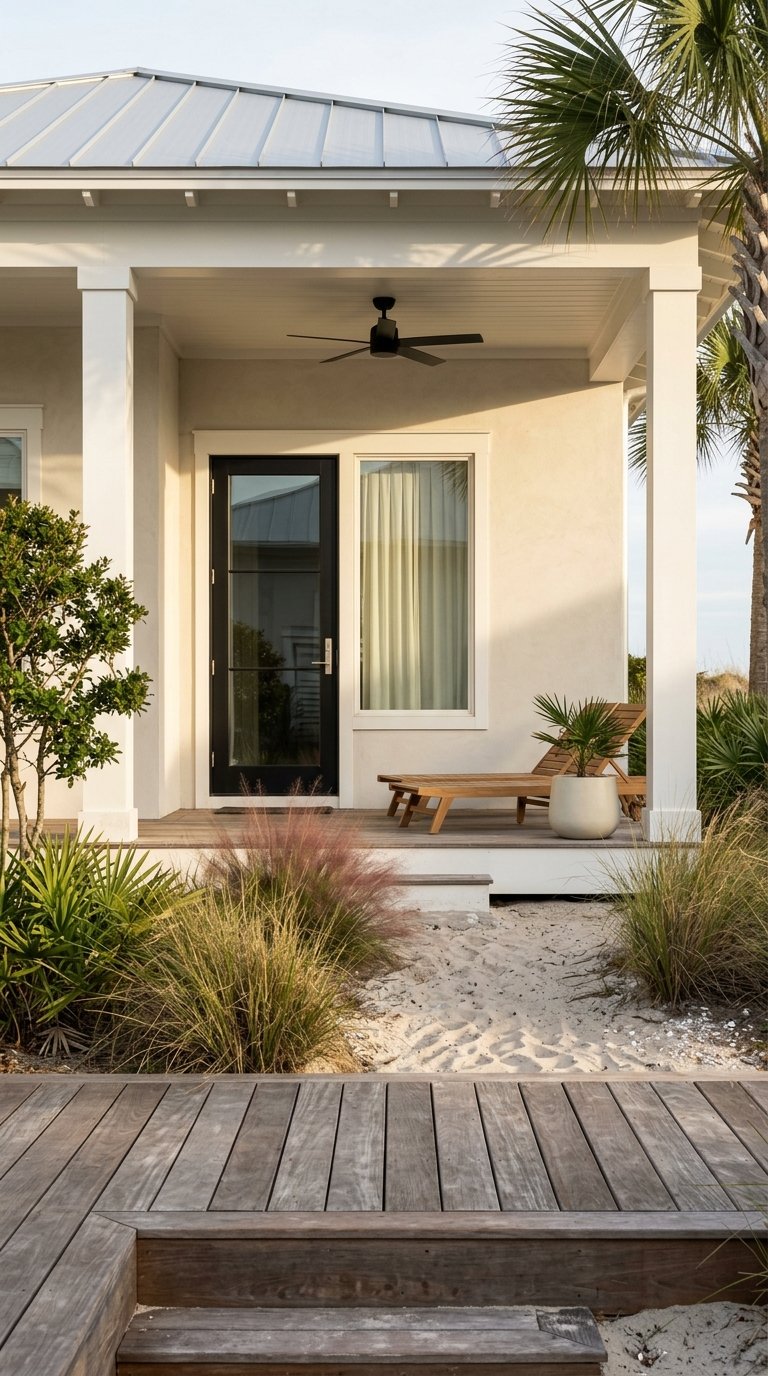
What Beachfront Living On Amelia Island Is Really Like
April 23, 2026
April 23, 2026
Picture this: you start your morning with an ocean walk, grab lunch near downtown, and still have time for an afternoon bike ride without crossing a massive beach town. That is part of what makes Amelia Island different. If you are wondering what beachfront living on Amelia Island is really like, here is the honest version: it is beautiful and convenient, but it also comes with routines, rules, and seasonal rhythms that shape daily life. Let’s dive in.
Amelia Island is about 13 miles long and roughly 2 to 3 miles wide, and official visitor information notes that nothing on the island is more than about 15 minutes away. That small scale has a big impact on how beachfront living feels day to day. Instead of one long resort-style strip, you get a connected coastal community with beach access, trails, downtown spots, and everyday services all within a short drive, bike ride, or walk.
For many buyers, that means beachfront living here feels more grounded than flashy. You are close to the water, but you are also close to real daily conveniences. That balance is a big part of the island’s appeal.
One of the first things to know is that Amelia Island beach life is built around access points and parks. Each one has a slightly different feel, which can shape the kind of routine you end up loving.
Main Beach Park is one of the island’s best-known spots. It includes volleyball courts, a playground, picnic shelters, restrooms, outdoor showers, a skate park, and seasonal lifeguards from Memorial Day weekend through Labor Day.
If you enjoy a more active beach atmosphere, this area may feel familiar and easy to use. It tends to support the kind of day where you are not just sitting on the sand, but making a full outing of it.
Seaside Park is centrally located and includes boardwalks, outdoor showers, limited parking, and seasonal lifeguards. It is also near a restaurant and a beach-rental shop, which adds to its everyday convenience.
For some residents, that kind of setup matters more than square footage on a map. When grabbing a quick beach walk or meeting friends near the water is easy, you are more likely to use the beach often instead of only on weekends.
Peters Point Beachfront Park offers ample parking, restrooms, showers, picnic tables, and Nassau County resident beach-driving access. That makes it one of the more practical beach entry points for people who want a little extra flexibility.
If convenience is high on your list, this is one of the access points worth knowing well. It can make beach days easier when you are carrying chairs, umbrellas, or gear.
North Beach Park on the north end has covered pavilions and a boardwalk, but no lifeguards. Its setting tends to feel a bit quieter than some of the busier access areas.
That quieter feel is part of Amelia Island’s appeal. You can often find a beach routine that fits your pace instead of being locked into one type of coastal experience.
Burney Park at American Beach includes a large free parking lot, showers, picnic tables, seasonal lifeguards, and resident-only beach-driving access. It also connects you to an area with meaningful local history.
American Beach began as a Black resort community in 1935, and local history resources show that it still has many year-round residents today. That gives this part of the island a cultural depth that many buyers appreciate as they get to know the area.
Amelia Island State Park covers 200 acres of beaches, salt marshes, and coastal maritime forests. The park is open from 8 a.m. until sundown, allows beach driving with a fee, and is one of the few Florida beaches where visitors can bring their own horses.
This is the beach experience for people who want a more natural setting. It is beautiful, but it can also close to new visitors when it reaches capacity, so timing matters.
One of the biggest surprises for out-of-area buyers is that beachfront living here does not mean sacrificing convenience. Amelia Island offers a mix of outdoor access and town-centered living that helps daily routines feel manageable.
Historic Fernandina Beach gives the island much of its character. According to the downtown guide, Centre Street is eight blocks long, and the downtown district includes 50 very walkable blocks with preserved Victorian buildings, shops, cafes, breweries, and harbor views.
That means your coastal lifestyle is not limited to the shoreline. You can spend the morning by the ocean and still enjoy a quick trip downtown for lunch, errands, or an evening out.
If you like to stay active, the island offers more than beach walking. The local trail guide highlights the 7-mile Amelia Island Trail, the 3-mile Amelia River to Sea Trail, the 300-acre Egans Creek Greenway, and Fort Clinch State Park with miles of shoreline and a 6-mile multi-use trail.
Amelia Island is also recognized as bicycle friendly by the League of American Bicyclists. For many residents, that helps make daily life feel less car-dependent than you might expect from a coastal market.
Living on a barrier island naturally raises practical questions. The good news is that official FAQs list local urgent care, a hospital, and pharmacies on the island, along with transportation options such as trolleys, bikes, scooters, and rideshare services.
The same source notes the island is about 35 miles from downtown Jacksonville and 25 miles from Jacksonville International Airport. So while Amelia Island feels tucked away, it is not cut off.
Beachfront living on Amelia Island is not the same in every month, and that is important to understand before you buy. The island has a more noticeable seasonal rhythm than many people expect in Florida.
According to the island weather guide, average temperatures range from 67/49 in January to 91/75 in July. Spring is mild and breezy, summer is warmer with sea breezes, autumn tends to cool off with less rain, and winter is usually comfortable for beach walks and time outdoors.
That variety is part of the appeal. You can enjoy the beach in different ways throughout the year, but your routine will likely shift with the weather, visitor activity, and event calendar.
The island also has recurring events that can change the feel of certain areas. Sounds on Centre runs on first Fridays from April through October except July, and downtown also hosts major seasonal traditions like the Isle of Eight Flags Shrimp Festival and Dickens on Centre.
For some buyers, that added energy is a plus. For others, it is simply something to plan around if you prefer a quieter rhythm at certain times of year.
There is no way around it: owning near the coast means thinking about weather. The same weather resource notes that Atlantic hurricane season runs from June through November, with peak risk from mid-August to late October.
That does not mean beachfront ownership is not worth it. It just means storm preparation is part of the lifestyle, and realistic buyers go in with that mindset.
One of the more practical truths about beachfront living here is that the beach is regulated. It is not a free-for-all, and understanding that ahead of time helps avoid frustration.
According to Nassau County beach rules, dogs must be leashed, owners must pick up litter, beach camping is prohibited, and horses are limited to designated areas and times south of Sadler Road. The county also limits beach driving to designated access points and applies added restrictions during sea turtle nesting season.
ATVs, dirt bikes, motorcycles, and similar vehicles are also banned on the beach. These rules help protect the shoreline and keep public access more orderly, but they do affect what everyday beach use looks like.
The lifestyle is appealing, but it is not effortless. Some access points have limited parking, and places like Seaside Park or Amelia Island State Park can be more timing-sensitive on busy days.
That means the best beach experience is often about knowing when to go and which access point fits your plans. In other words, local knowledge matters. Amelia Island rewards people who like a more intentional coastal routine.
Beachfront living on Amelia Island often fits buyers who want more than a postcard view. It tends to appeal to people who want regular beach access, a relaxed coastal pace, a walkable historic downtown nearby, and plenty of outdoor options.
It can be a strong fit for full-time residents, second-home buyers, retirees, and relocation clients who value convenience and character over a high-rise resort atmosphere. If you want a coastal lifestyle that feels small-town, scenic, and practical, Amelia Island is worth a serious look.
If you are thinking about buying or selling on Amelia Island, working with a local agent who can help you compare beach areas, daily routines, and ownership tradeoffs can make the process much easier. When you are ready to talk through your options, connect with Craig Brewis for clear, responsive guidance.
Stay up to date on the latest real estate trends.
Real estate here is more than just a transaction—it’s about finding your place in a close-knit community. I provide guidance rooted in local knowledge, helping you navigate each step with clarity, care, and confidence.
Craig Brewis
203 CENTRE ST FERNANDINA BEACH FL 32034