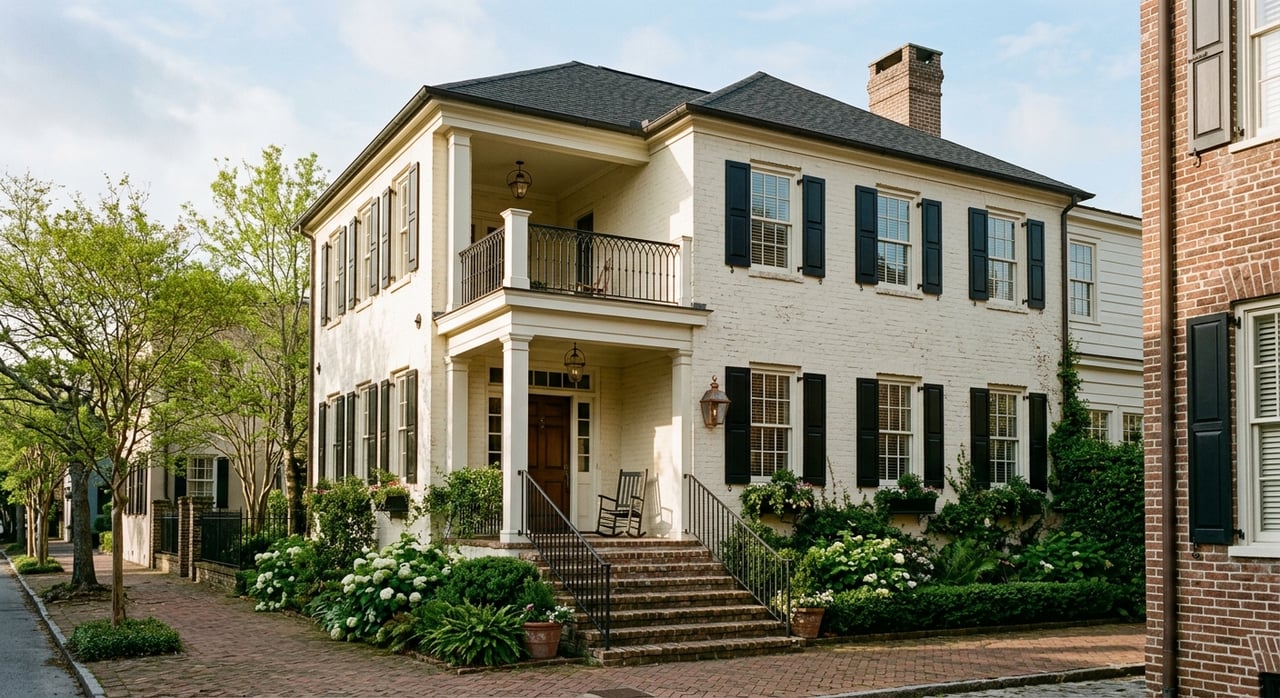
What It’s Like To Live In Fernandina Beach’s Historic Core
April 16, 2026
April 16, 2026
If you picture life in Fernandina Beach’s historic core as all charm and no trade-offs, it helps to look a little closer. This part of town offers preserved architecture, walkable blocks, and easy access to shops, dining, parks, and the waterfront, but it also comes with design rules and a more managed downtown feel. If you are wondering whether this area fits your lifestyle, this guide will walk you through what daily life actually looks like. Let’s dive in.
When people talk about Fernandina Beach’s historic core, they usually mean the downtown historic district, not Old Town. According to the City of Fernandina Beach historic district information, Old Town is the original site of Fernandina and still reflects the 1811 Spanish plat, while the downtown district developed later as the town center shifted during the railroad era.
That difference matters if you are home shopping. The downtown historic district is the part of Fernandina Beach most people associate with a classic Main Street setting, preserved late-19th- and early-20th-century buildings, and a compact, mixed-use layout.
The heart of the district is Centre Street between Front and Fifth. The city’s historic district guidelines and survey material describe this stretch as the focal point of the district, with most of the historic commercial and government buildings concentrated there.
As you move east of Fifth Street, the setting becomes more mixed. You will find older residential buildings, churches, a former school, and newer commercial structures. That mix gives the area a lived-in, layered feel instead of a polished, single-style look.
The streetscape also feels older in the best sense of the word. Small rectangular lots, detached houses, masonry commercial buildings, and materials like wood, brick, tabby, and cast iron create a compact setting that feels different from a newer subdivision.
One of the biggest draws here is that the architecture is not repetitive. The city notes that the most common residential pattern is wood-frame vernacular, but the district also includes Greek Revival, Italianate, Queen Anne, Second Empire, Colonial Revival, Spanish Mission Revival, Renaissance Revival, Tudor Revival, Bungalow, and Mediterranean Revival styles in the same broader area.
Fernandina Beach also has one of Florida’s best concentrations of Victorian-period architecture, according to the city’s historic district documentation. You will see porches often, especially on residential properties, which adds to the relaxed coastal character many buyers want.
For you as a buyer, that means inventory can feel more individual than interchangeable. Homes and buildings in the historic core often have distinct details, different lot patterns, and a stronger sense of age and craftsmanship than properties in newer neighborhoods.
If you want to park the car and do more on foot, this is one of the strongest reasons to consider the area. The city says downtown is intentionally pedestrian-oriented, with landscaping, benches, streetlamps, signs, and street furniture designed not to block pedestrian flow, and sidewalks intended to meet ADA requirements.
The Amelia Island downtown guide describes Centre Street as the main artery in the heart of downtown and says downtown Fernandina Beach offers 50 walkable blocks for shopping, dining, and entertainment. That is a meaningful advantage if your ideal day includes coffee, errands, dinner, and a waterfront stroll without driving across town.
The business mix is also broad for a small historic district. Based on the Fernandina Beach Main Street directory, downtown includes coffee spots, restaurants, bars, breweries, ice cream and dessert shops, bookstores, antiques, galleries, tours, bike shops, lodging, and other services. In practical terms, that supports a lifestyle that feels active and connected instead of purely residential.
The historic core is not just a row of old buildings surrounded by parking. It connects into a larger public-space network managed by the city. The Parks & Recreation Department oversees city parks and playgrounds, sports and fitness facilities, the Egans Creek Greenway, the Amelia Island Lighthouse, Bosque Bello Cemetery, and landscaping in Historic Downtown.
That broader network matters because it expands your routines. You can enjoy the walkable downtown setting while still having easy access to green space, trails, and outdoor spots that feel quieter and less commercial.
For many buyers, beach proximity is part of the point of living in Fernandina Beach. The city lists Main Beach Park, North Beach Park, and Seaside Park as beach-access parks and notes that these parks are within walking distance of the Atlantic Ocean.
Main Beach Park adds some practical convenience because it includes parking and ADA accessibility. The city also notes on its beach access page that Main Beach has a semi-permanent Mobi-Mat at the boardwalk access ramp, and beach wheelchairs are available through the Atlantic Recreation Center.
If beach access is part of your weekly routine, this setup makes the historic core appealing. You are close to downtown activity, but you are also connected to a coastal lifestyle that goes beyond restaurants and storefronts.
Not every day in the historic core has to revolve around Centre Street. The Ron Sapp Egans Creek Greenway offers more than 300 protected acres with trails for walking and bicycling, plus benches, interpretive displays, and restrooms.
Trailheads and parking are available at Atlantic Avenue, Jasmine Street, Citrona Drive, and Sadler Road. If you like mixing town life with nature, this is one of the area’s best balancing features. It gives you a place to slow down without leaving the broader Fernandina Beach area.
The character of the historic core is preserved partly because it is regulated more carefully than a typical neighborhood. The city states that properties in the historic districts are protected by design guidelines administered by the Historic District Council.
That means exterior work is reviewed through local historic guidelines. For some buyers, that is a positive because it helps preserve the streetscape and protect the setting that attracted them in the first place. For others, it is an important reality check because changes to the exterior may involve more review than they would in a newer area.
If you are considering this area, parking should be part of your decision, not an afterthought. The city’s parking program page states that paid parking began on February 16, 2026, covering on-street spaces from Ash Street to Alachua Street and Front Street to 8th Street, along with designated surface lots.
City residents can receive up to two free annual permits per household, and residents who live within the paid parking area can register two vehicles for free 24/7 parking. Non-city residents can purchase annual permits for $124.
The city also notes that permit holders get 4 free hours per day on-street and 8 free hours per day in surface lots before hourly charges apply, while non-permit holders get the first 20 minutes free each day. In short, downtown functions more like a compact urban center than a low-management residential neighborhood.
The historic core tends to fit buyers who want several things at once: preserved architecture, a walkable restaurant-and-retail district, nearby parks, and convenient beach access. It can also be a strong match if you want a smaller, character-rich home base that feels connected to the island.
The city’s historic district overview suggests this area works especially well for people who are comfortable with preservation review and parking management while valuing the benefits of a preserved setting. That could include full-time residents, second-home owners, or relocation buyers who want a more distinctive lifestyle than a standard subdivision can offer.
Before you focus only on charm, it helps to think through how you want to live day to day. Ask yourself questions like:
If your answers lean yes, Fernandina Beach’s historic core may feel like a very natural fit. If you want fewer restrictions, easier parking, or a more conventional neighborhood layout, another part of Fernandina Beach or Amelia Island may suit you better.
Living in Fernandina Beach’s historic core means choosing character, convenience, and connection. You get a downtown setting with real architectural depth, a pedestrian-friendly layout, access to parks and trails, and a beach-oriented coastal backdrop that is hard to replicate.
At the same time, it is important to go in with clear expectations. Historic-district guidelines and downtown parking management are part of the package. If you want help comparing this area with other parts of Fernandina Beach or Amelia Island, Craig Brewis can help you weigh the lifestyle, property type, and day-to-day fit with clear local guidance.
Stay up to date on the latest real estate trends.
Real estate here is more than just a transaction—it’s about finding your place in a close-knit community. I provide guidance rooted in local knowledge, helping you navigate each step with clarity, care, and confidence.
Craig Brewis
203 CENTRE ST FERNANDINA BEACH FL 32034